



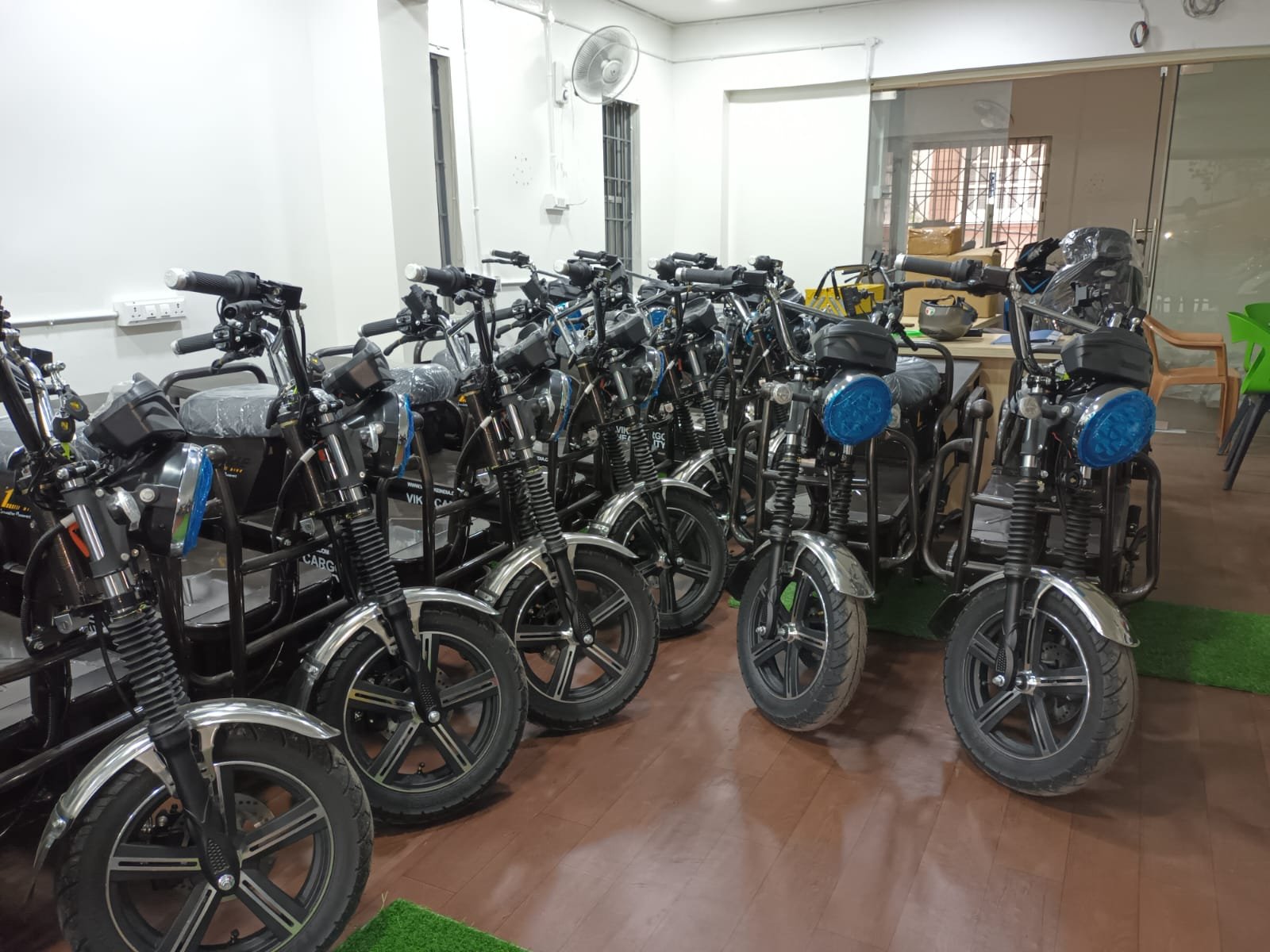
Electric Bike with Fast Charging: A Practical Guide for Indian Riders
Waiting several hours for an electric bike to charge can be inconvenient, especially when you depend on it for daily travel, deliveries, or business use. A faster charging setup can make electric mobility easier to fit into a busy routine.
If you’re searching for an electric bike with fast charging, this guide explains what fast charging actually means, what affects charging time, how battery capacity and riding conditions influence range, and what to check before buying an electric bike in India.
What Is an Electric Bike with Fast Charging?
An electric bike with fast charging is designed to replenish its battery in less time than a conventional charging setup, provided the battery, charger, and electrical system support the required charging rate.
However, “fast charging” should not be judged only by a number advertised in a product listing. Actual charging time can vary according to battery capacity, charger output, battery temperature, state of charge, and the charging system used.
For example, someone using an electric vehicle for regular commuting may value shorter charging periods because the vehicle can spend less time connected to a charger between trips.
Helpful tip: When comparing models, check the manufacturer’s stated charging time and the conditions under which that figure was measured.
How Fast Charging Works in Electric Bikes
Fast charging depends on the relationship between the battery pack, charger, battery-management system (BMS), and charging hardware.
The charger supplies electrical energy to the battery, while the BMS monitors important parameters during charging. As the battery approaches a high state of charge, charging may slow down to help manage battery temperature and battery health.
This means charging from a low battery level to a partial charge may take less time than charging from a very high percentage to completely full.
What Affects Charging Time and Real-World Range?
Charging speed is only one part of the ownership experience. Before choosing an electric bike, consider how the following factors affect everyday use:
| Factor | Why it matters |
|---|---|
| Battery capacity | Determines how much energy the battery can store |
| Charger output | Influences how quickly energy can be supplied |
| Riding speed | Higher speeds can increase energy consumption |
| Rider and load | Additional weight can affect efficiency |
| Road conditions | Traffic, slopes, and rough roads may change consumption |
| Weather | Temperature can influence battery performance |
| Tyre pressure | Incorrect pressure can reduce efficiency |
| Charging habits | Consistent, suitable charging practices support battery care |
Therefore, look beyond claimed range and consider your daily distance, typical load, road conditions, and charging access.
Benefits of Fast-Charging Electric Bikes for Indian Riders
Fast charging can be particularly useful when an electric bike is part of a busy daily schedule.
Less charging downtime
A shorter charging period can make it easier to recharge between journeys. This can matter for commuters who use their vehicle multiple times throughout the day.
More convenient daily mobility
If charging fits naturally into your routine, you may find it easier to depend on an electric bike for regular transportation rather than treating charging as a separate task.
Useful for commercial applications
Electric cargo bikes and utility-focused electric vehicles can have demanding usage schedules. For businesses, charging convenience can be an important factor alongside payload capacity, range, durability, and operating requirements.
Better planning for daily travel
Instead of simply asking, “How fast does it charge?”, consider how much usable range you need and when you can realistically recharge. A charging system should match your actual routine.
Common Fast-Charging Mistakes to Avoid
Choosing a fast-charging electric bike does not automatically mean every charging situation will be fast. Avoid these common mistakes:
- Looking only at charging speed: Battery capacity and real-world range matter too.
- Ignoring the manufacturer’s specifications: Do not assume a standard charger provides the same charging rate as a fast charger.
- Overlooking battery care: Follow the manufacturer’s recommended charging and storage practices.
- Comparing claimed range without context: Riding conditions can significantly influence actual energy consumption.
- Ignoring after-sales support: Ask about warranty, service availability, battery support, and genuine replacement components.
- Choosing only on price: The complete ownership experience includes charging, maintenance, service, and battery considerations.
A practical approach is to make a checklist before purchasing and compare vehicles according to how you actually plan to use them.
How to Choose the Right Electric Bike with Fast Charging
Start with your daily requirements rather than the charging specification alone.
1. Calculate your daily distance.
Estimate your normal weekday travel and occasional additional trips.
2. Consider your typical load.
A personal commuter and a commercial user may need very different vehicle characteristics.
3. Check charging specifications.
Look for the stated charging time, charger type, battery capacity, and charging requirements.
4. Examine the complete vehicle.
Range, motor performance, payload, tyres, braking, suspension, build quality, and practical design all contribute to the ownership experience.
5. Check manufacturer support.
A manufacturer’s website should provide clear product information and ways to contact the company for sales or service-related questions.
For buyers exploring electric mobility in India, Vike Bike India offers electric vehicle options designed around different mobility requirements. Review the individual model specifications to understand which vehicle aligns with your intended use.
FAQs
Is fast charging good for an electric bike battery?
Fast charging can be useful when the vehicle and battery system are specifically designed to support it. Battery management, temperature control, charger compatibility, and recommended charging practices all matter. Riders should use the charging equipment specified by the manufacturer and follow the recommended charging and storage instructions.
How can I reduce electric bike charging time?
Use the charger and charging setup recommended for your specific electric bike. Keep the charging system in suitable operating conditions and follow the manufacturer’s instructions. Charging time also depends on the battery’s remaining charge, battery temperature, capacity, and the maximum charging rate supported by the vehicle.
Does fast charging affect electric bike range?
Fast charging primarily affects how quickly the battery can be replenished; it does not automatically determine the vehicle’s range. Range depends on factors such as battery capacity, motor efficiency, riding speed, rider weight, road conditions, tyre pressure, traffic, and weather.
What should I check before buying a fast-charging electric bike in India?
Check the manufacturer’s stated charging time, battery capacity, claimed range, charger specifications, warranty, service support, vehicle load capacity, and intended usage. Also consider where you will normally charge the vehicle and whether the charging arrangement is convenient for your daily routine.
Conclusion
An electric bike with fast charging can make everyday electric mobility more convenient by reducing charging downtime. However, charging speed should be considered alongside battery capacity, real-world range, vehicle performance, load requirements, charging compatibility, and after-sales support.
Before purchasing, define your daily travel needs, compare the manufacturer’s specifications, and choose a model that fits your actual riding routine.
Ready to explore electric mobility options? Visit Vike Bike India’s to compare its electric vehicle range and find a model suited to your requirements.